
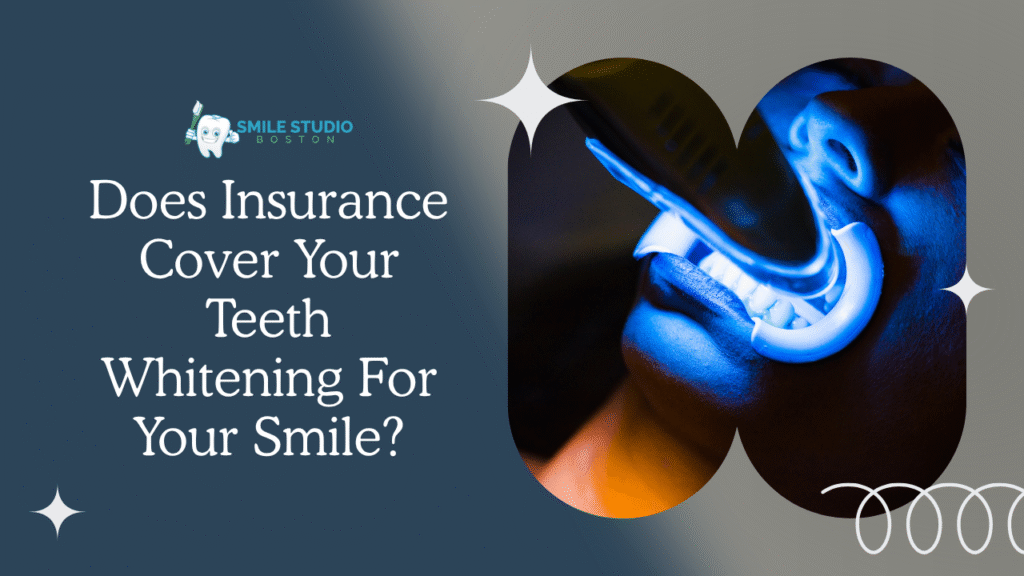
In a vibrant city like Boston, where career growth and social connections go hand in hand, a bright smile can leave a lasting impression. Whether you’re attending a corporate event downtown or meeting friends at a local café, many people ask, does insurance cover teeth whitening, especially when looking to boost confidence and overall appearance
Naturally, many Bostonians ask, Does dental insurance cover teeth whitening? Or more directly, does insurance cover teeth whitening at all?
1. Types of Teeth Whitening Treatments
Teeth whitening is effective only for natural teeth. Crowns, veneers, and implants do not respond to whitening treatments, so a dental consultation is recommended before proceeding.
When patients ask does insurance cover teeth whitening, it’s important to understand that coverage if available usually applies only to professional, in-office whitening performed by a dentist. This information can be confirmed in a dental plan’s Summary of Benefits .such as:
- Over-the-counter whitening toothpastes (“over-the-counter” means the product can be purchased without a prescription in a retail store like a grocery or pharmacy)
- Over-the-counter teeth whitening kits
- Over-the-counter teeth whitening strips
- Laser teeth whitening provided outside a dental office
- Whitening services provided by an out-of-network dentist
2. Why Teeth Whitening Is Usually Not Covered
Most dental insurance plans focus on protecting oral health not improving tooth appearance. Coverage is usually limited to:
- Preventive care (such as cleanings and exams)
- Basic treatments (like fillings)
- Major services (such as crowns or root canals)
Because teeth whitening is considered a cosmetic treatment, it’s typically not viewed as medically necessary. For this reason, insurance providers typically exclude it when patients ask, does insurance cover teeth whitening.
So when patients ask, “Does insurance cover teeth whitening?”, the most common answer is no—unless it’s tied to a medical condition or restorative need, which is rare.
Even when tooth discoloration affects confidence or professional appearance, whitening is still classified as elective care. However, some premium or employer-sponsored plans may offer partial discounts, flexible spending account (FSA) eligibility, or promotional benefits through in-network dentists. Reviewing your plan details or speaking directly with your provider is the best way to confirm available options.
3. Rare Exceptions: When Coverage Might Apply
While most plans exclude cosmetic procedures, there are limited situations where insurance may partially cover teeth whitening. These cases are typically based on medical necessity, not appearance
For example,if tooth discoloration results from a traumatic injury, a developmental disorder, or certain medications (such as chemotherapy or tetracycline use during childhood), some insurance providers may consider partial coverage. However, these cases are uncommon and often require:
- Detailed documentation from your dentist
- Proof that discoloration is linked to a medical condition
- Pre-authorization from the insurance provider
- A letter explaining why whitening is part of restorative care
So, if you’re asking, does dental insurance cover teeth whitening in special cases? The answer is possibly, but it’s far from guaranteed. These exceptions often involve a lengthy approval process and must be well justified by your dentist.
4. What Coverage Might Look Like If It Exists
In rare cases where cosmetic benefits are included in a dental plan, coverage for teeth whitening is usually limited. Some plans may offer:
- Partial reimbursement (typically 20%–50% of the cost)
- Annual or lifetime caps on cosmetic spending
- Waiting periods before cosmetic coverage kicks in
Even when some assistance is available, the out-of-pocket costs can still be significant. In-office whitening in Boston generally ranges from $350 to $700. Without any coverage, this cost can go up to $1,000, depending on the type of treatment and the dental provider.
So if you’re wondering, does insurance cover teeth whitening partially?—it might, but expect coverage to be limited and conditional.
Before scheduling your whitening appointment, speak with your dental provider or insurance representative to get a clear picture of what’s included in your plan.

5. How to Verify Your Coverage
Before scheduling a whitening treatment, it’s smart to contact your dental insurance provider directly. Ask specific questions like:
- Does my dental insurance cover teeth whitening for any medical reasons?
- Is there a waiting period for cosmetic benefits?
- What percentage is covered, if any?
- Are there annual or lifetime limits on whitening coverage?
- Is preauthorization required?
- Do I need to use an in-network dentist?
Getting clear answers in advance can save you from unexpected bills and clarify what options are realistically available under your plan.
6. Paying for Whitening Without Insurance
In most cases, does insurance cover teeth whitening? Typically, no, so you’ll need to pay out of pocket. Here’s a general cost breakdown:
- In-office whitening: $500–$1,500
- Custom take-home trays: $300–$600
- Over-the-counter kits: Under $100
Even without coverage, you can reduce costs:
- Ask your dentist about seasonal promotions or new-patient discounts
- Use dental discount plans
- Utilize Flexible Spending Accounts (FSAs) or Health Savings Accounts (HSAs) if whitening is medically recommended
- Explore third-party financing options
These alternatives make teeth whitening more affordable especially if you’re aiming for professional results.

Final Thoughts
So, does insurance cover teeth whitening? For most patients, the answer is no, with coverage only in rare, medically necessary cases.
It’s essential to confirm with your provider: does dental insurance cover teeth whitening under your specific plan?
Whether opting for in-office treatment or custom take-home trays, proper planning helps you achieve a brighter smile without unexpected costs.
Transform Your Smile Today with SmileStudio!
At SmileStudio, we believe everyone deserves a confident, healthy smile. From routine checkups to cosmetic whitening and advanced care, our expert team is here to help—on your schedule and your budget.
✅ Trusted Boston Dentists
✅ Emergency & Walk-In Appointments
✅ Flexible Payment Options
✅ We Accept MassHealth
📞 Call Us: +1 (617) 265-5606
📧 Email Us: smilestudioboston@gmail.com
🌐 Visit Our Website: https://smilestudioboston.com/
📍 Find Us: 1428 Dorchester Ave, Dorchester, MA 02122, United States
SmileStudio – Where Beautiful Smiles Begin.

FAQs
1. Does insurance cover teeth whitening treatments?
Most dental insurance plans do not cover teeth whitening because it’s considered a cosmetic procedure. These treatments are generally elective and not deemed medically necessary.
2. Does dental insurance cover teeth whitening in any case?
In rare cases, dental insurance may offer partial coverage if the discoloration is caused by trauma, medication, or medical conditions. Documentation and pre-authorization are usually required.
3. How much does teeth whitening cost without insurance?
Out-of-pocket costs for dental tooth whitening range from $500 to $1,500 for in-office treatments and around $300 to $600 for custom take-home trays. Over-the-counter kits can be found for under $100.
4. Can I use my FSA or HSA for teeth whitening?
Generally, FSA/HSA funds do not cover teeth whitening, unless your dentist provides proof it’s medically necessary. Check with your plan provider for specific eligibility.
5. Are there dental plans that include cosmetic benefits like whitening?
Some premium dental plans or employer-sponsored plans may include cosmetic riders that offer partial benefits for whitening, but these are not common.
